In the realm of high-end watch collecting, there exists a category far removed from commercial production and public accessibility.
A category defined not by availability… but by authority.
These are watches that were never designed for display windows, nor intended for retail circulation.
They were commissioned within royal courts, distributed through official channels, and presented in moments that carried political, diplomatic, and historical weight.
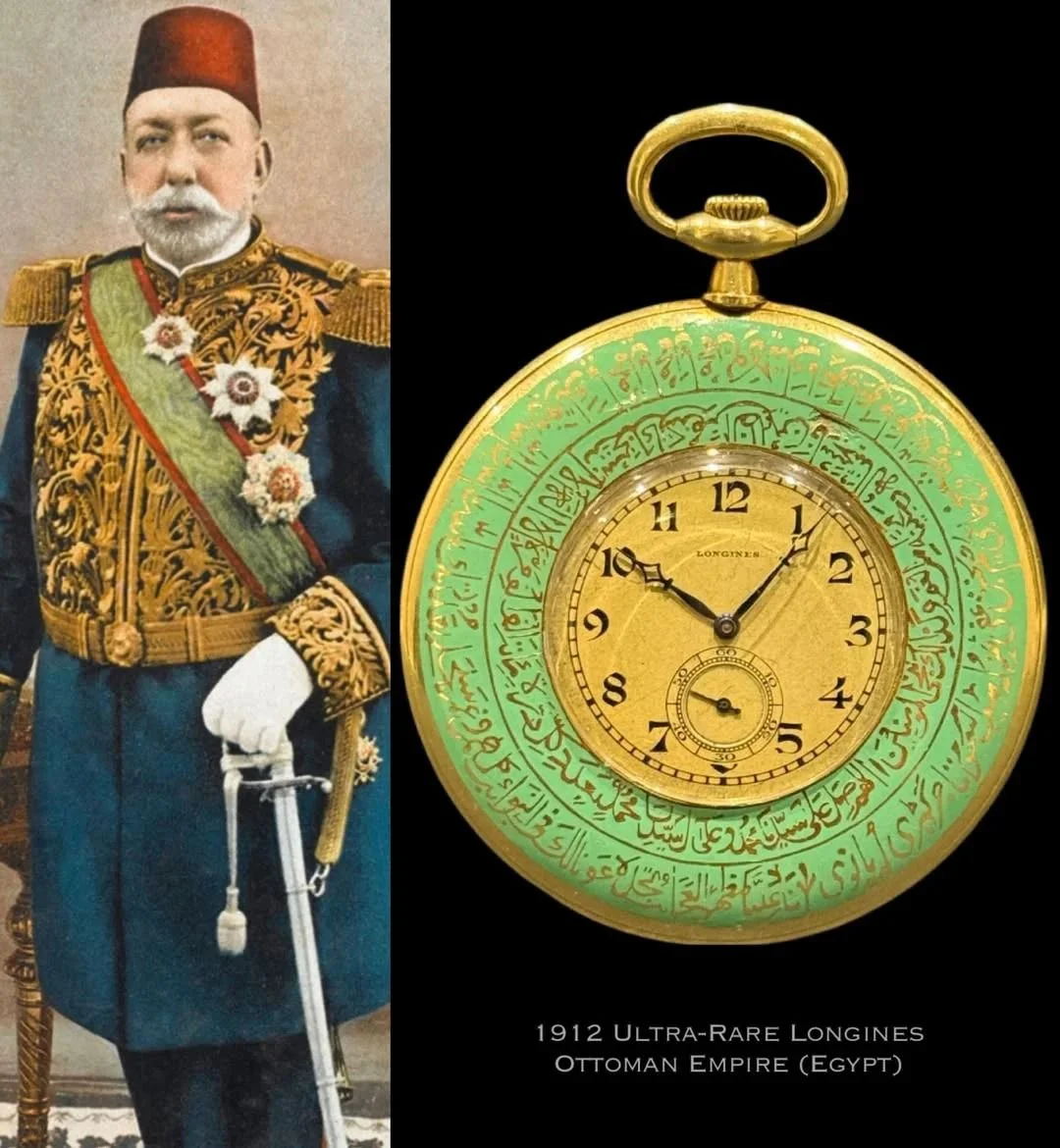
Across the Middle East, a unique legacy has emerged—one shaped by royal protocol, institutional identity, and decades of leadership.
From Jordan to Saudi Arabia to the United Arab Emirates, these timepieces represent far more than craftsmanship.
They represent history, hierarchy, and heritage.
Jordanian Royal Watches: From King Hussein To King Abdullah II
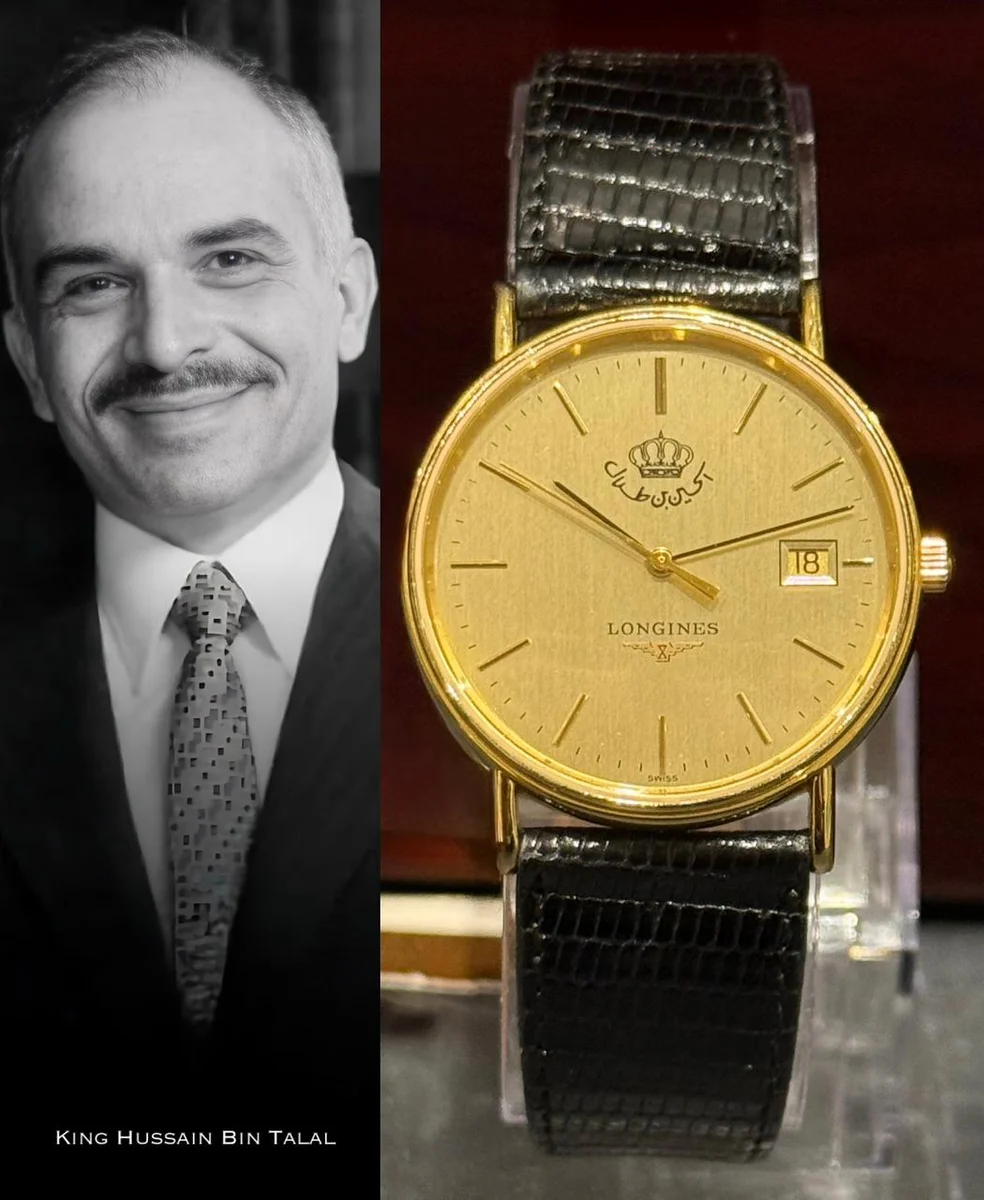
The story of Jordanian royal watches begins during the era of the late King Hussein bin Talal, and continues seamlessly into the reign of King Abdullah II.
Across these two defining periods, watches became an essential part of royal protocol—presented to:
- Military leaders
- State officials
- Distinguished guests
- Strategic allies
These were not commercial pieces.
They were carefully selected, often customized, and distributed within highly controlled circles.
The Era Of King Hussein: Foundations Of Royal Identity
During the reign of King Hussein, Jordanian royal watches reflected a deep connection to classic Swiss watchmaking.
Brands associated with this era included:
- Breitling
- Piaget
- Longines
- Rotary
- Cartier
These timepieces ranged from elegant dress watches to more functional pieces, depending on the nature of the occasion.
Both men's and women's watches were issued, often featuring:
- Royal insignias
- Arabic signatures
- Commemorative engravings
Each watch carried a purpose.
Each piece represented a moment.
The Era Of King Abdullah II: Continuity With Modern Refinement
With the reign of King Abdullah II, the tradition continued—evolving in design while preserving its core philosophy.
Modern Jordanian royal watches demonstrate:
- Greater diversity in brand selection
- More refined and contemporary aesthetics
- Continued use of official symbols and royal identity
Yet despite this evolution, one principle has remained unchanged:
These watches were never meant for the public market.
They exist within a framework of protocol, recognition, and controlled distribution.
Today, they are considered an essential part of royal collectibles and historic watches collecting.
Saudi Royal Watches: A Timeline From King Abdulaziz To Modern Leadership
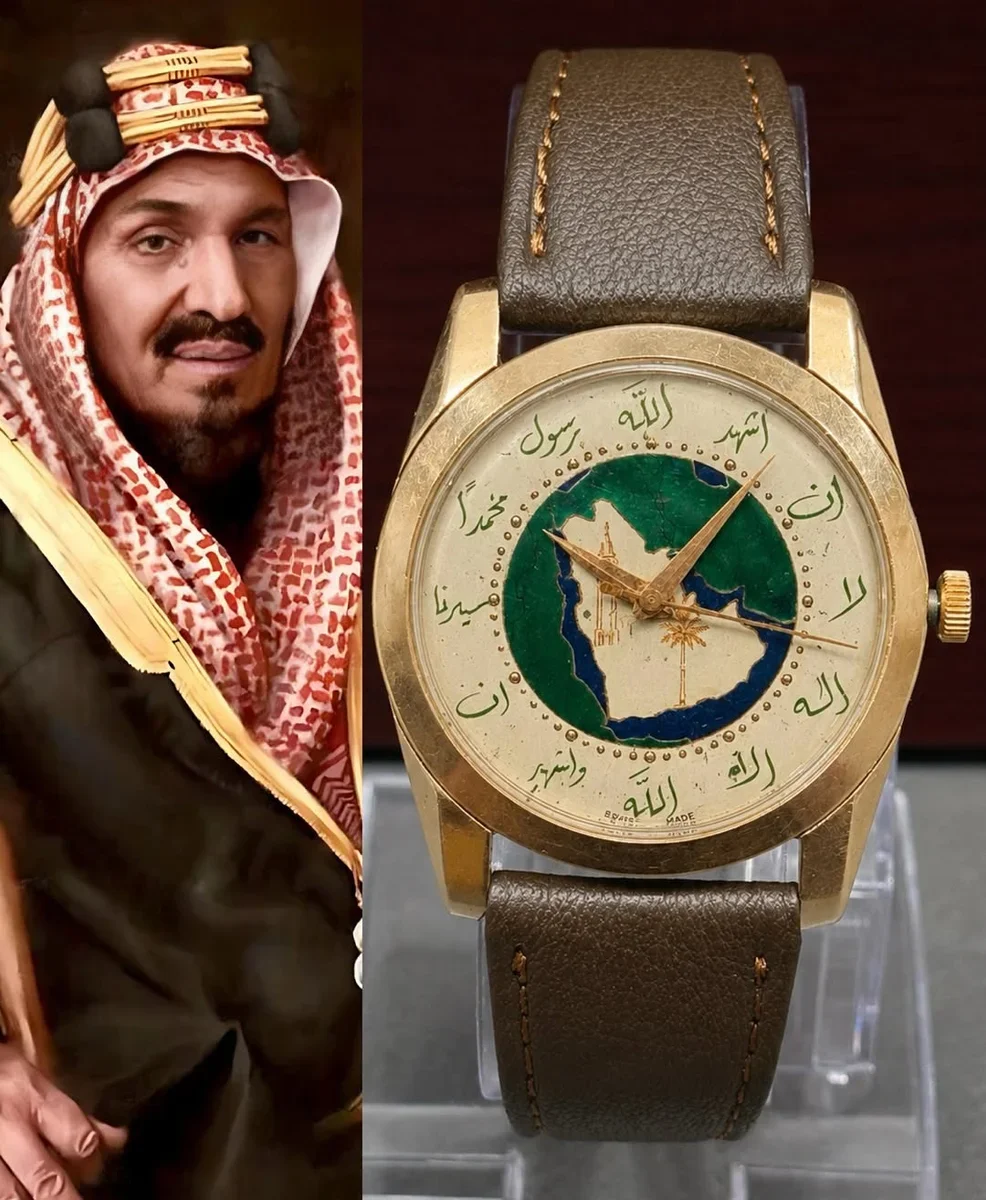
Saudi Arabia holds one of the most historically layered and significant legacies in royal watch collecting—one that begins with the founding of the Kingdom itself.
The story of Saudi royal watches traces back to the era of King Abdulaziz bin Abdulrahman Al Saud, where official gifting and royal protocol began to take shape as part of state identity.
This legacy continued through successive reigns, including:
- King Saud bin Abdulaziz Al Saud
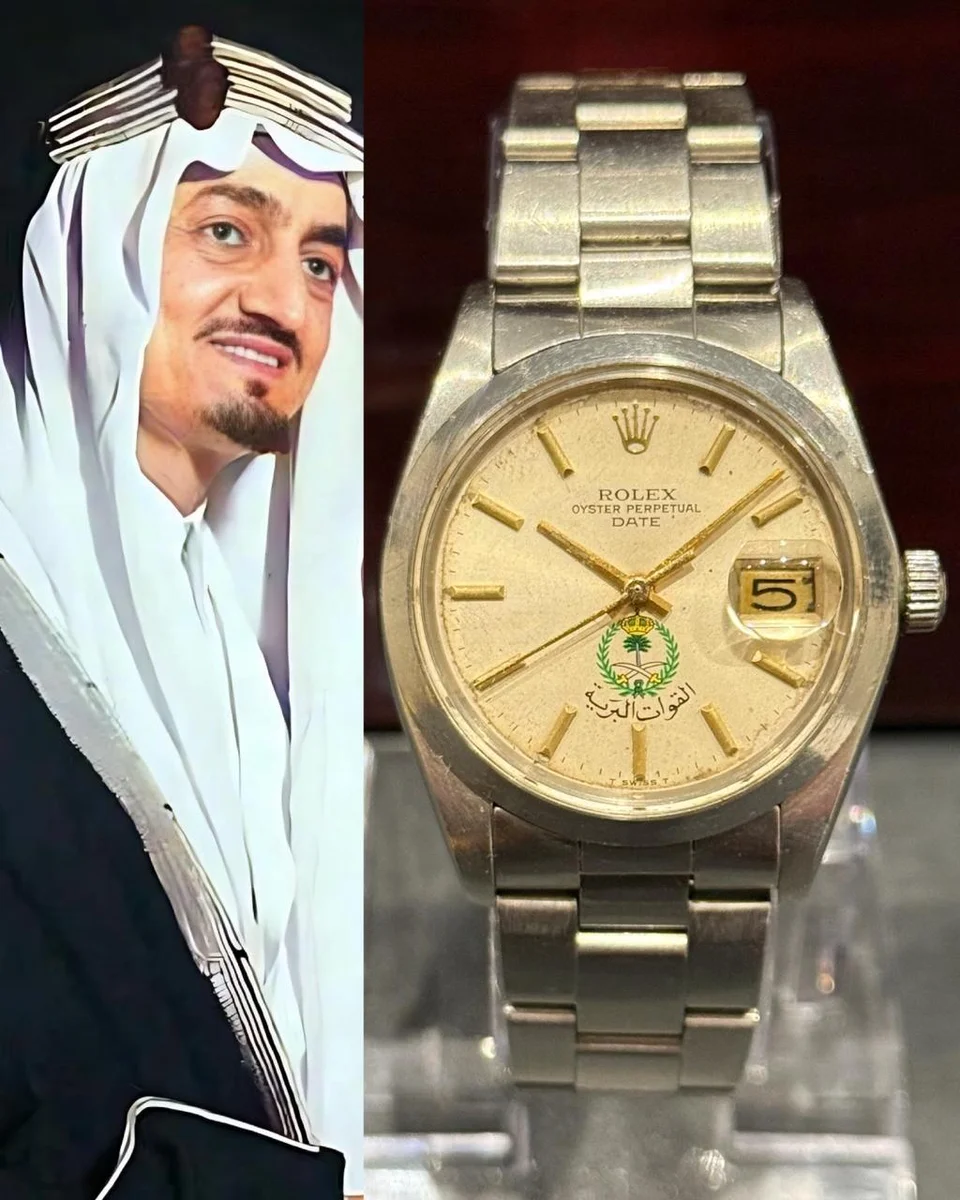
- King Faisal bin Abdulaziz Al Saud
- King Khalid bin Abdulaziz Al Saud
- King Fahd bin Abdulaziz Al Saud
- King Abdullah bin Abdulaziz Al Saud
- King Salman bin Abdulaziz Al Saud
Across these eras, royal watches evolved in both form and distribution—yet remained consistent in purpose.
They were presented as:
- Official state gifts
- Diplomatic tokens
- Institutional recognitions
Each period introduced its own character, influenced by leadership, context, and evolving international relations.
A Wide Spectrum Of Brands Across Eras
One of the defining features of Saudi royal watches is their diversity across multiple brand levels.
High-End Luxury Pieces
- Rolex
- Patek Philippe
- Breitling
- Omega
Broader Institutional Distribution
In certain eras, watches were also commissioned from more accessible lines—intended for wider distribution within government bodies or military sectors.
This created a layered structure:
- Highly exclusive royal-level pieces
- More widely distributed, yet still official, institutional watches
Both categories carry historical significance—though they differ in rarity and collectability.
A Deep Connection To Historical Context
Saudi royal watches are not defined by brand alone.
They are defined by:
- The era in which they were issued
- The leadership they are tied to
- The context of their distribution
This makes them highly valued within rare collectibles guide frameworks and among serious royal artifacts collectors.
Emirati Royal Watches: From Sheikh Zayed To Sheikh Mohammed Bin Zayed
The United Arab Emirates holds one of the most visually diverse and symbolically rich histories in royal watch collecting.
From Foundation To Modern Leadership
The legacy of Emirati watches began during the era of the late Sheikh Zayed bin Sultan Al Nahyan, the founding father of the UAE.
It continued through:
- Sheikh Khalifa bin Zayed Al Nahyan
- And into the current era of Sheikh Mohammed bin Zayed Al Nahyan
Across these periods, watches became a core part of:
- State protocol
- Military recognition
- Diplomatic gifting
Brand Diversity And Artistic Expression
Emirati watches are particularly notable for their wide range of brands and distinctive designs.
Commonly associated brands include:
- Rolex
- Breitling
- Piaget
- Chopard
- Van Cleef & Arpels
- Cartier
These watches often feature:
- National emblems
- Military insignias
- Custom dials and engravings
Some are bold and expressive.
Others are refined and minimal.
But all share one defining truth:
They were never intended for public retail.
A Market Defined By Rarity
Due to their nature of distribution, Emirati watches exist today in limited circulation.
Many remain within:
- Government institutions
- Military leadership
- Private collections
This creates a competitive landscape for collectors seeking rare historical watches from the Gulf region.
A Shared Regional Identity: Watches Of Authority And Protocol
Despite differences in design and brand selection, Jordanian, Saudi, and Emirati watches share a unified foundation:
- They are not commercial products
- They are tied to authority and leadership
- They are distributed through official channels
- They carry historical and institutional significance
This places them within the highest tier of:
- Royal collectibles
- Luxury antique collections
- Historic watches collecting
Why These Watches Rarely Appear On The Market
Unlike standard luxury watches, these pieces:
- Are not mass-produced
- Are not publicly listed
- Are not frequently resold
They are preserved within families, institutions, and private circles—often for generations.
When they do appear, it is typically through:
- Private networks
- Trusted dealers
- Specialized collector channels
Golden Age: Accessing A World Few Can Reach
Within this highly specialized market, Golden Age operates with precision and intent.
The focus is not on volume.
It is on access, understanding, and selection.
Golden Age specializes in sourcing:
- Royal watches
- Presidential timepieces
- Military-issued watches
- Official commemorative editions
Across Jordan, Saudi Arabia, and the UAE.
A Strict Philosophy: Only Clean, Exceptional Pieces
Even within this rare category, Golden Age follows a strict internal standard:
Not every rare watch is accepted.
Selection is based on:
- Authenticity
- Condition
- Preservation
Only clean, well-preserved, high-quality pieces are offered.
Because in serious collecting:
Rarity alone is not enough.
Condition defines value.
Conclusion: A Legacy That Continues Across Generations
From the era of King Hussein to King Abdullah II in Jordan…
From King Abdulaziz to King Salman in Saudi Arabia…
From Sheikh Zayed to Sheikh Mohammed bin Zayed in the UAE…
This legacy continues.
These watches are still being created, still being distributed, and still being preserved.
Not for the public.
But for those within specific circles.
And occasionally—for those who know where to look.