The Growing Appeal of Collectibles as Alternative Investments
Over the past two decades, the global investment landscape has expanded far beyond traditional assets like stocks, bonds, and real estate. Collectors and investors alike are increasingly turning toward tangible assets that combine cultural significance with long-term value. Among these alternative investments, rare royal watches have quietly become one of the most fascinating and potentially rewarding categories in the world of collectibles.
Luxury watches have always carried a sense of prestige. However, not all watches are created equal in the eyes of collectors. While modern luxury watches are widely available through authorized retailers, truly rare watches often come from past eras and are tied to historical moments, royal courts, or influential political figures.
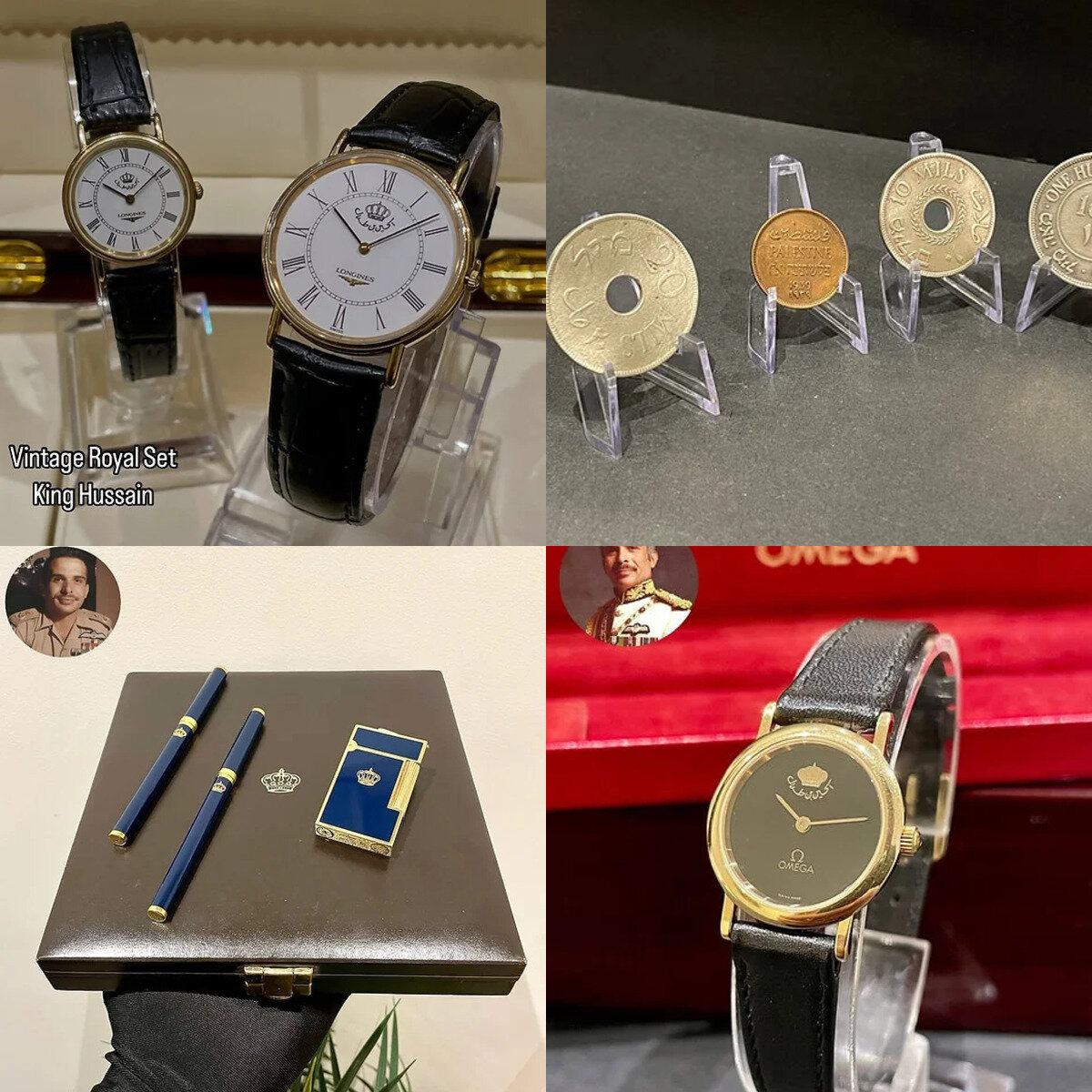
For collectors exploring a rare watches collectors guide, the category of royal and protocol watches represents one of the most exclusive segments of the market. These watches often exist in extremely limited numbers and may have been issued for specific individuals, military units, or state occasions.
Unlike contemporary luxury watches produced in large quantities, rare royal watches are defined by scarcity, historical relevance, and unique provenance. As a result, many collectors now view them not only as historical objects but also as compelling long-term investments.
The Growing Appeal of Collectibles as Alternative Investments
Alternative investments refer to assets that exist outside conventional financial markets. These assets include art, rare books, vintage automobiles, historical artifacts, and luxury collectibles.
Within this universe, watches have emerged as one of the fastest-growing collectible categories. Their appeal lies in a unique combination of mechanical craftsmanship, aesthetic design, and historical importance.
Collectors who once focused exclusively on areas such as historic coins collecting are increasingly expanding their interests into watches. Both categories share similar qualities: rarity, tangible value, and strong connections to historical periods.
However, watches add an additional layer of fascination. Unlike coins or medals, watches were designed to be worn and used daily. They represent an intersection of engineering, design, and history in a compact form.
This unique combination has placed rare watches among the most desirable items within luxury antique collections.
Age and Rarity: Why Older Watches Often Multiply in Value
One of the most remarkable characteristics of collectible watches is how their value evolves over time. Unlike many consumer goods that lose value as they age, rare watches often follow the opposite pattern.
In fact, many collectors observe a consistent principle within the world of collecting: the older a rare watch becomes, the more its value can increase — sometimes multiplying several times over decades.
This phenomenon occurs because surviving examples gradually become scarcer. Over time, many watches are lost, damaged, or permanently locked away in private collections. As a result, the number of available pieces steadily decreases.
For investors studying a rare collectibles guide, this dynamic creates a powerful long-term advantage. When an item becomes increasingly rare while demand continues to grow, its market value can rise dramatically.
The effect becomes even stronger when the watch is connected to historical figures, royal courts, or significant political eras.
The Shortage of Truly Rare Watches in Today's Market
Despite the popularity of luxury watches, the modern watch market suffers from a significant limitation: a shortage of truly rare pieces.
Major brands today produce thousands of watches annually. Even so-called limited editions are often produced in quantities of hundreds or thousands of pieces.
While these watches may carry high retail prices, they rarely achieve the level of rarity that serious collectors seek.
Collectors exploring a rare watches collectors guide quickly realize that genuine rarity is far more common among older watches than among modern ones. Vintage watches produced decades ago often exist in much smaller numbers today than when they were originally manufactured.
This scarcity becomes even more pronounced when examining watches linked to royal courts, military institutions, or government protocols. These watches were often issued in extremely limited quantities and were never intended for mass sale.
Because of this, the global watch market today faces a noticeable shortage of such pieces. This scarcity makes them some of the most sought-after objects within the world of royal collectibles.
Vintage Rolex, Omega, Breitling, And Vacheron Constantin: Icons Of Collectible Watchmaking
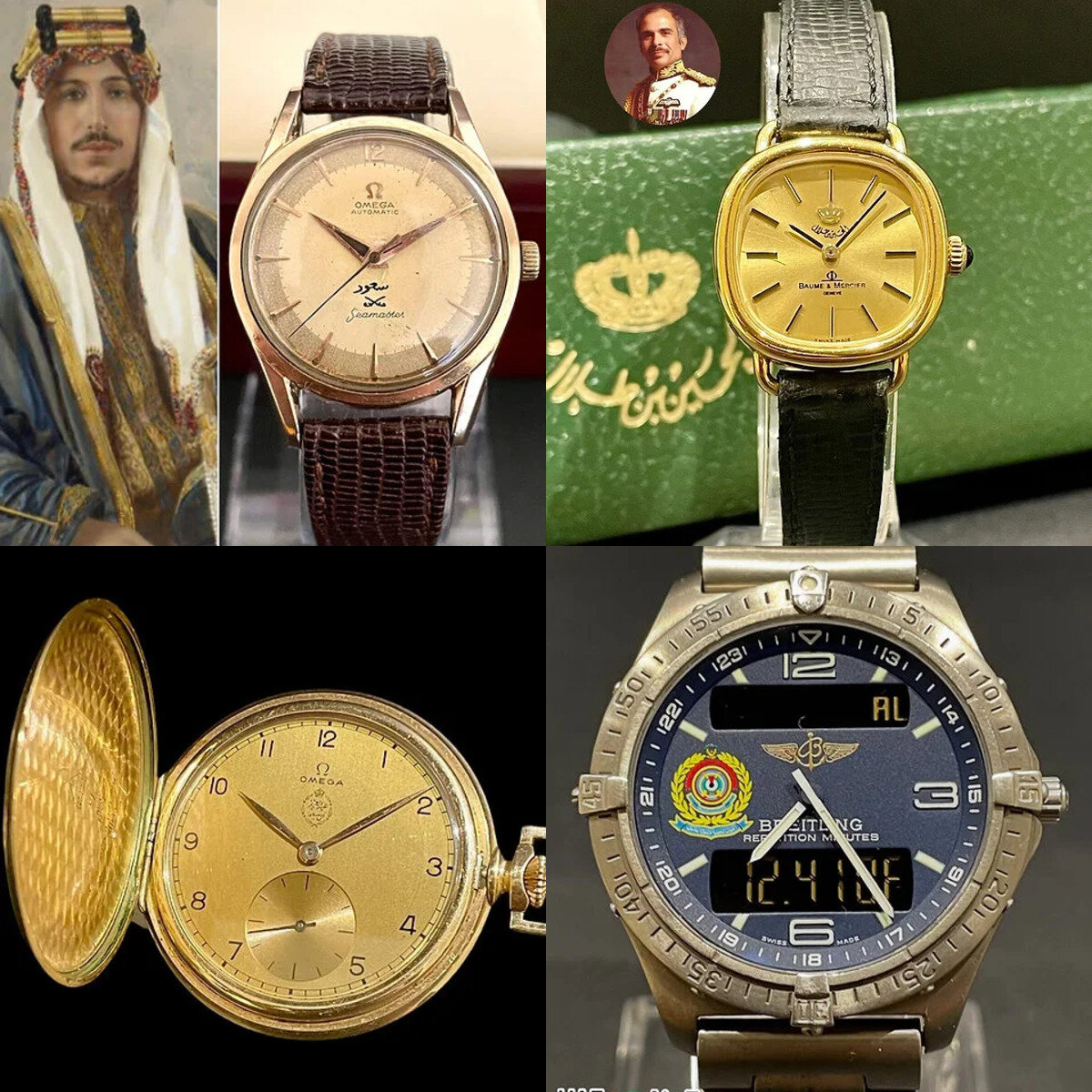
When discussing collectible watches, certain names consistently appear among the most respected brands in the industry. Among these, Vintage Rolex, Vintage Omega, Vintage Breitling, and Vacheron Constantin hold a particularly strong reputation among collectors and investors.
Vintage Rolex watches are widely recognized for their durability, timeless design, and strong presence in the collectors' market. Certain vintage references have become legendary, especially rare dial variations and historically important models.
Vintage Omega watches also occupy an important place within luxury antique collections, particularly models connected to military history, space exploration, or royal patrons.
Vintage Breitling watches are admired for their deep association with aviation heritage. Their pilot chronographs and navigation watches represent an era when precision timing was critical for aviation professionals.
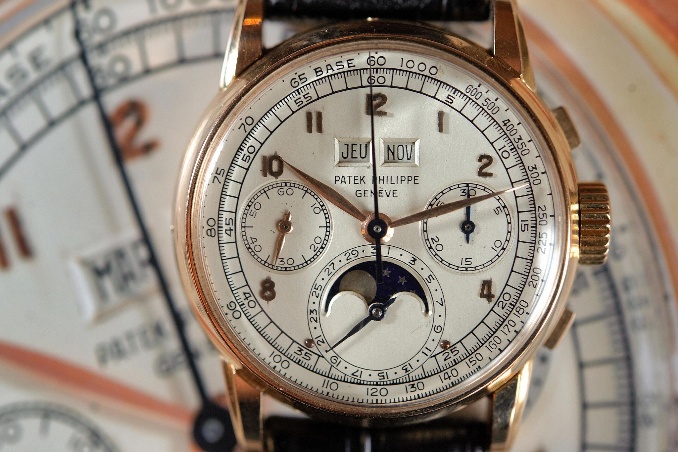
Meanwhile, Vacheron Constantin, one of the oldest continuously operating watch manufacturers in the world, represents the pinnacle of traditional Swiss watchmaking. Vintage Vacheron pieces are especially prized among serious collectors due to their exceptional craftsmanship, limited production, and historical prestige.
Together, these legendary brands form the backbone of many high-end watch collections and frequently appear in serious rare watches collectors guide discussions around the world.
Protocol Watches: The Hidden Layer of Royal Collecting
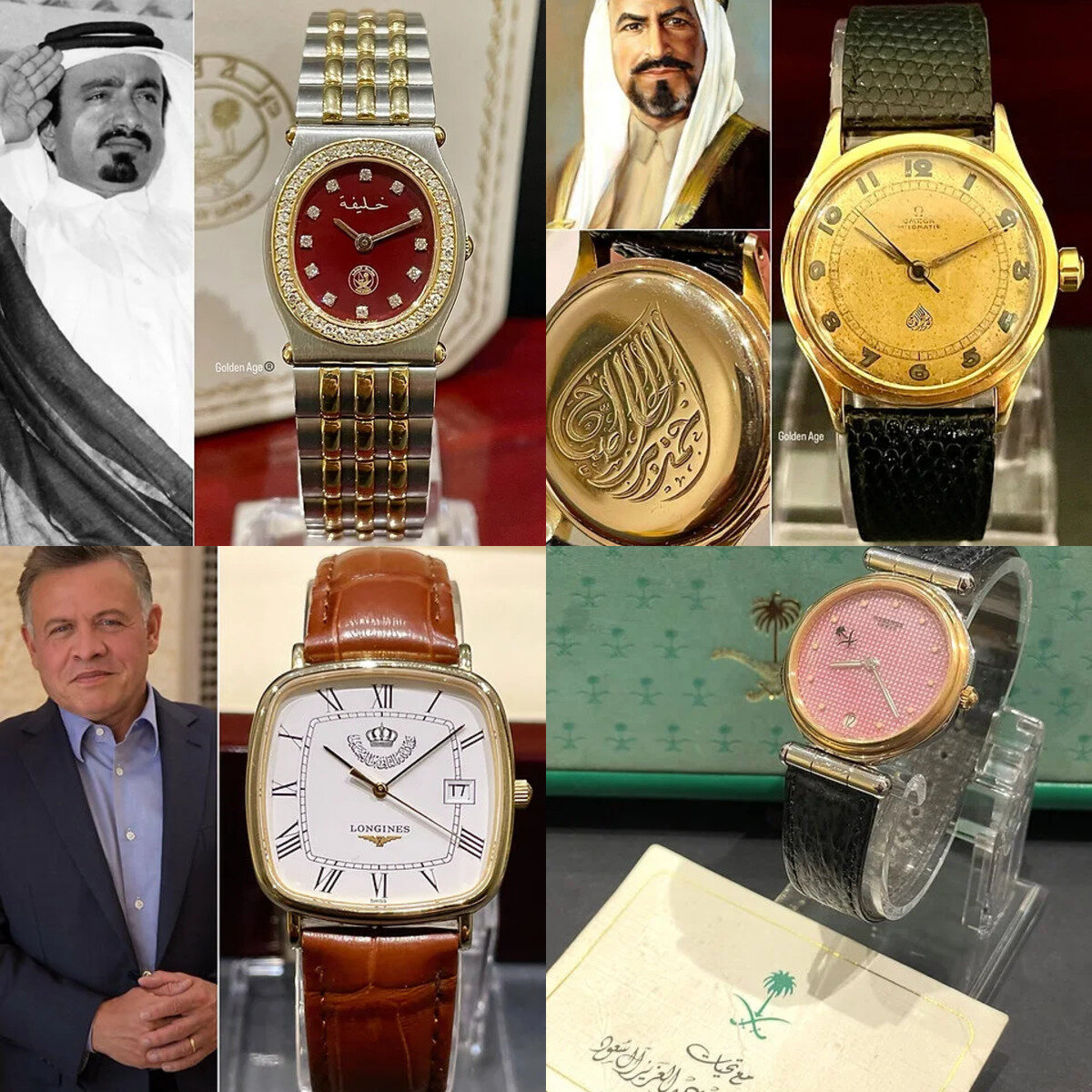
Among the most fascinating categories of collectible watches are protocol watches. These watches were often produced for diplomatic gifts, state ceremonies, military honors, or government institutions.
Unlike commercial watches sold in stores, protocol watches were typically issued in extremely limited quantities. Many were produced only for specific individuals such as military officers, government officials, or members of royal families.
Within the community of royal artifacts collectors, these watches are considered particularly valuable because they combine luxury craftsmanship with historical significance.
Many protocol watches feature distinctive elements such as:
- National crests or royal emblems on the dial
- Portraits of historic leaders
- Military insignia
- Special engravings commemorating historic events
These features transform an ordinary watch into a historical artifact.
Rare Political-Era Watches: The Example of Iraqi Watches from Saddam Hussein's Era
Among the rarest protocol watches ever produced are those linked to specific political eras. One notable example is the group of watches associated with Iraq during the era of Saddam Hussein.
During the 1980s and 1990s, several watches were issued in Iraq that carried portraits or symbols associated with the Iraqi leadership of that period. These watches were often produced in small quantities and distributed as official gifts, military awards, or commemorative pieces.
Today, these watches have become extremely rare. Many were lost during decades of political turmoil and conflict in the region. The few surviving examples have become highly desirable among collectors interested in historical and political memorabilia.
For royal artifacts collectors and historians alike, these watches represent tangible artifacts from a complex historical period. Their rarity, combined with their strong historical identity, has made them increasingly sought after in niche collecting circles.
Royal Collectibles and the Power of Historical Narrative
The appeal of royal watches goes far beyond their mechanical function. These watches often carry stories connected to royal courts, national events, and diplomatic relationships.
Collectors are naturally drawn to objects that carry narratives. A watch linked to a specific ruler, political era, or historic institution becomes far more meaningful than an ordinary luxury accessory.
This storytelling element is one reason why watches have become central objects within royal collectibles.
Much like rare manuscripts or ceremonial medals, royal watches provide insight into the traditions and symbolism of the societies that produced them.
Watches Compared to Other Historical Collectibles
Collectors often compare watches with other categories of historical objects such as medals, coins, or manuscripts.
For example, historic coins collecting has long been one of the most respected areas within the world of collectibles. Coins offer historical value and clear connections to specific periods of history.
However, watches provide an additional dimension. They represent a blend of artistry, engineering, and historical symbolism.
Unlike coins that remain static, watches contain intricate mechanical movements designed to measure time with remarkable precision.
Within luxury antique collections, watches therefore occupy a unique position as objects that combine both technological and artistic achievements.
The Future of Rare Watches as an Investment
As global interest in collectibles continues to grow, rare watches appear increasingly positioned as one of the most compelling alternative investments.
Several factors support this trend:
- The increasing global population of wealthy collectors
- The growing cultural fascination with vintage objects
- The limited supply of truly rare watches
- The historical importance of royal and protocol pieces
These factors suggest that demand for rare watches will likely remain strong in the coming decades.
Collectors studying a rare watches collectors guide frequently conclude that watches connected to history, politics, or royal institutions offer some of the most intriguing opportunities in the collectible market.
A Market Defined by Scarcity and History
Ultimately, rare royal watches represent far more than luxury accessories. They are historical objects that connect collectors with specific moments in time.
From Vintage Rolex and Vintage Omega to rare protocol watches issued by governments or royal courts, these timepieces represent the intersection of craftsmanship, rarity, and historical significance.
As time passes and surviving examples become even rarer, their appeal continues to grow among collectors worldwide.
Within the broader universe of luxury antique collections, rare royal watches stand out as objects that embody both prestige and historical depth.
For collectors exploring the world through a rare collectibles guide, few categories offer the same combination of rarity, narrative, and long-term investment potential as rare royal watches.