The world of rare watches is one of the most fascinating areas within luxury collecting. For centuries, mechanical watches have represented craftsmanship, engineering excellence, and cultural heritage. Today, rare watches are not only admired as beautiful objects but are also considered serious collectibles and alternative investments.
However, as the value of rare timepieces continues to rise, so does the number of counterfeit watches circulating in the market. For collectors, understanding how to identify rare watches and confirm their authenticity has become essential.
Many collectors enter the market attracted by historic brands such as Rolex, Omega, Breitling, Vacheron Constantin, and Patek Philippe. These brands have produced some of the most desirable timepieces in history. But identifying authentic luxury watches requires knowledge, patience, and attention to detail.
This collectible watch guide explains how experts evaluate rare watches, how to recognize authentic pieces, and how collectors can avoid costly mistakes when acquiring vintage or antique timepieces.
Why Authentication Matters in the Rare Watch Market
The global market for collectible watches has grown rapidly over the past decade. Auction houses regularly sell rare watches for hundreds of thousands or even millions of dollars. Because of these high values, counterfeiters have become increasingly sophisticated.
Collectors therefore place enormous importance on rare watch authentication. A watch that appears authentic at first glance may actually contain replacement parts, refinished dials, or non-original components.
In the world of vintage watches, originality is everything. Even small alterations can significantly affect a watch's value.
Understanding how to spot fake watches or modified watches is one of the most important skills a collector can develop.
Understanding What Makes a Watch Rare
Before learning how to identify rare watches, collectors must understand what makes a watch rare in the first place.
Rarity usually comes from several factors:
- limited production numbers
- historical significance
- unusual dial variations
- discontinued models
- connections to historical figures or events
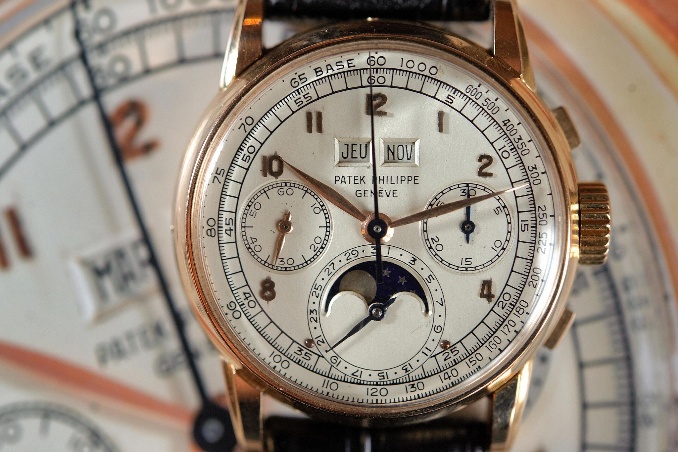
For example, vintage models from brands like Rolex, Omega, Breitling, and Vacheron Constantin often become highly collectible because certain references were produced in very small quantities.
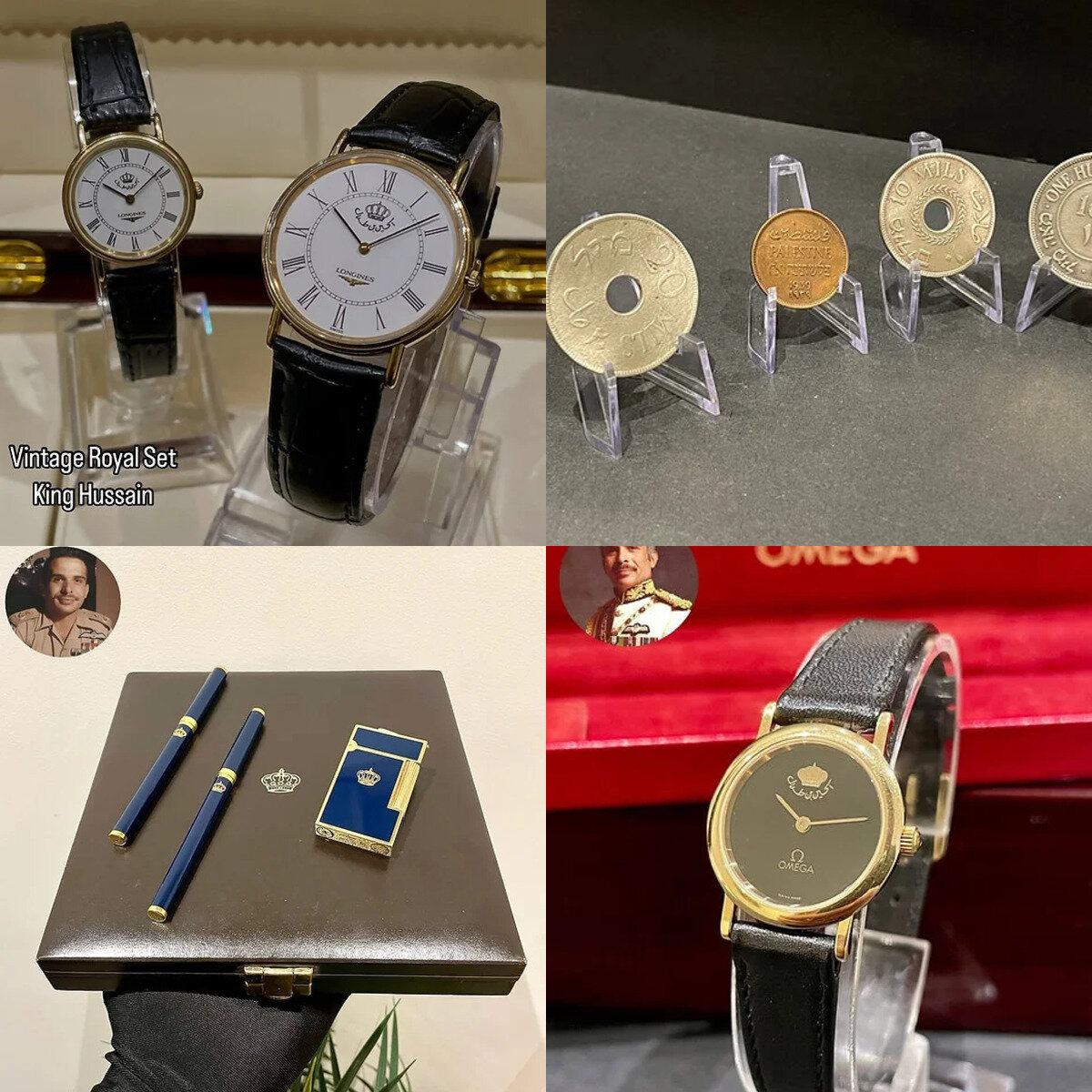
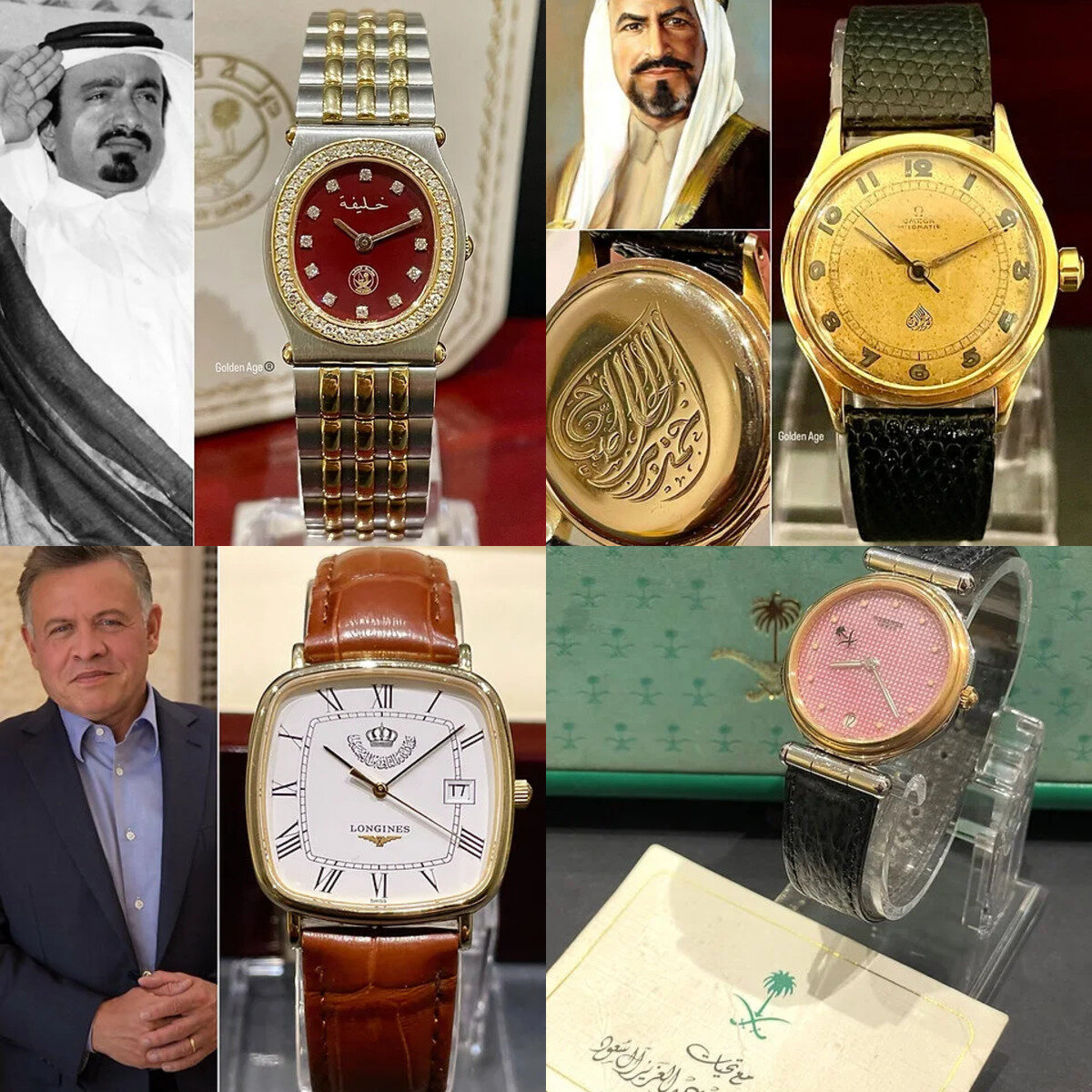
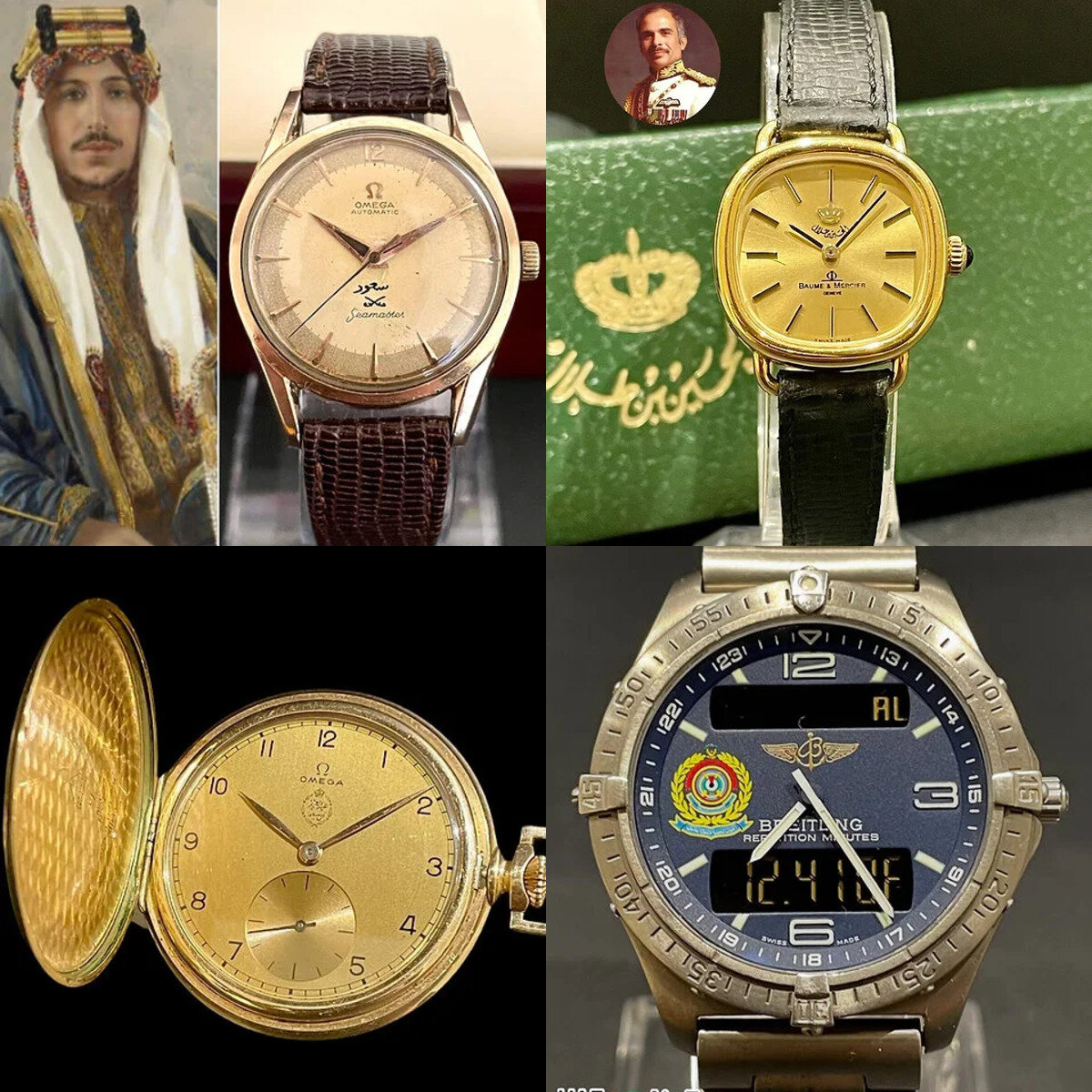
Some watches also become famous due to their connection with royalty, political figures, or military units. These watches often appear in collectible watch guide discussions because they represent historical artifacts as well as luxury objects.
Examining the Dial: The First Step in Antique Watch Identification
One of the most important aspects of antique watch identification is examining the dial.
The dial is the face of the watch and often provides the most immediate clues about authenticity.
Collectors should pay close attention to:
- typography of the brand name
- spacing of the text
- position of hour markers
- aging patterns on the dial
In authentic vintage watches, aging tends to appear natural and consistent. Patina may develop over time, especially on watches that are several decades old.
However, collectors must be cautious of refinished dials. Some watches are restored with freshly repainted dials that appear too clean for their age. While restoration may improve appearance, it can significantly reduce the value of rare watches.
This is why experienced collectors rely heavily on dial inspection when performing vintage watch authenticity checks.
Checking the Case and Serial Numbers
Another crucial step in rare watch authentication involves examining the case and serial numbers.
Luxury watch manufacturers stamp serial numbers and reference numbers on the watch case. These numbers allow experts to verify the production year and model.
Collectors often use these numbers to confirm whether the watch matches official production records.
When evaluating a vintage watch, collectors should check:
- the serial number location
- the clarity of engravings
- consistency with known production periods
If the serial number appears altered or inconsistent with the model, it may indicate that the watch has been modified or assembled from multiple parts.
Understanding how to verify these details is essential when learning how to identify rare watches.
Evaluating the Movement: The Heart of Authentic Luxury Watches
Inside every mechanical watch is the movement, the complex mechanism responsible for measuring time.
The movement is often referred to as the "heart" of the watch, and examining it can reveal important clues about authenticity.
Authentic luxury watches from reputable brands usually feature finely finished movements with precise engravings, polished components, and high-quality materials.
Collectors examining a movement should look for:
- correct brand engravings
- proper finishing techniques
- consistent screw placement
- accurate movement architecture
If the movement appears poorly finished or inconsistent with the brand's known standards, the watch may not be authentic.
Movement inspection is therefore a fundamental step in vintage watch authenticity evaluation.
Understanding Original Parts vs. Replacement Parts
One of the biggest challenges in antique watch identification is determining whether all components of a watch are original.
Many vintage watches have undergone repairs over the decades. While maintenance is normal, replacement parts can significantly affect a watch's collectible value.
Collectors often refer to watches with all original components as "fully original" or "all-original examples."
Common replacement parts include:
- service dials
- replacement hands
- aftermarket bracelets
- replacement crowns
While these parts may function perfectly, they can reduce the watch's historical authenticity.
For collectors studying how to identify rare watches, understanding the difference between original and replacement components is essential.
The Importance of Documentation and Provenance
Provenance refers to the documented history of a watch's ownership and origin.
In the world of rare watches, strong provenance can dramatically increase value. Watches accompanied by original boxes, papers, or certificates are often considered more desirable.
Documentation can include:
- original purchase receipts
- manufacturer certificates
- service records
- historical photographs
For example, a watch once owned by a notable historical figure may carry far greater significance than a similar watch without documented ownership.
Because of this, provenance plays a major role in rare watch authentication.
Learning From Trusted Sources and Experts
New collectors often underestimate how complex vintage watch authenticity can be. Even experienced collectors sometimes rely on experts when evaluating extremely rare pieces.
Some collectors consult:
- professional watchmakers
- auction house specialists
- vintage watch dealers
- brand archives
These experts possess specialized knowledge that helps them verify rare watches with remarkable precision.
For collectors exploring a collectible watch guide, building relationships with trusted experts is one of the best ways to learn.
Recognizing the Warning Signs of Fake Watches
As the demand for rare watches continues to grow, counterfeit watches have become increasingly sophisticated.
However, certain warning signs may indicate that a watch is not authentic.
Collectors should be cautious if they notice:
- inconsistent fonts on the dial
- incorrect logos or brand markings
- unusually low prices
- poor finishing on the movement
- missing serial numbers
Learning how to spot fake watches can protect collectors from significant financial losses.
Experienced collectors often recommend patience and careful research before purchasing any rare watch.
The Role of Knowledge in Building a Watch Collection
Ultimately, the most powerful tool in identifying authentic watches is knowledge.
Collectors who study watch history, brand archives, and vintage references gradually develop the ability to recognize authentic pieces more easily.
Reading books, auction catalogs, and specialized publications can greatly improve a collector's understanding of how to identify rare watches.
Over time, collectors become more confident in evaluating watches and recognizing exceptional opportunities.
Rare Watches as Historical Objects
Rare watches are more than luxury accessories. They represent mechanical achievements, artistic craftsmanship, and cultural history.
Many vintage watches were produced during important historical periods or associated with specific institutions such as military units or royal courts.
Because of this, rare watches often attract collectors interested in history as well as watchmaking.
Understanding antique watch identification therefore allows collectors to appreciate watches not only as timekeeping instruments but also as historical artifacts.
Conclusion: The Art of Identifying Authentic Rare Watches
Identifying authentic rare watches requires patience, attention to detail, and continuous learning.
From examining the dial and movement to verifying serial numbers and provenance, each step plays a crucial role in confirming authenticity.
Collectors who master these skills gain access to one of the most fascinating worlds within luxury collecting.
As interest in vintage watches continues to grow worldwide, understanding rare watch authentication, vintage watch authenticity, and how to spot fake watches will remain essential knowledge for every serious collector.
For those willing to invest time in learning, the reward is not only financial value but also the satisfaction of owning genuine pieces of horological history.