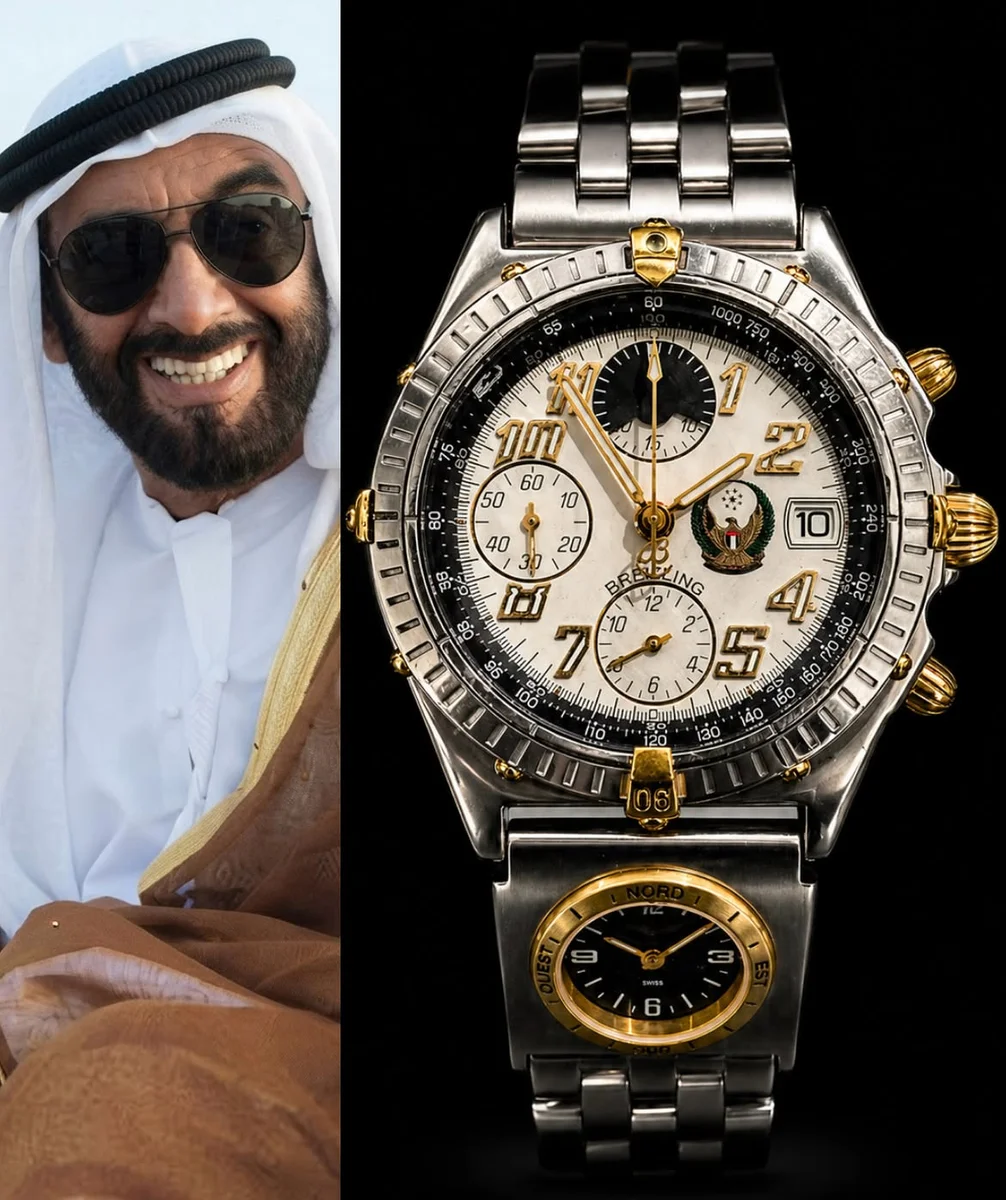
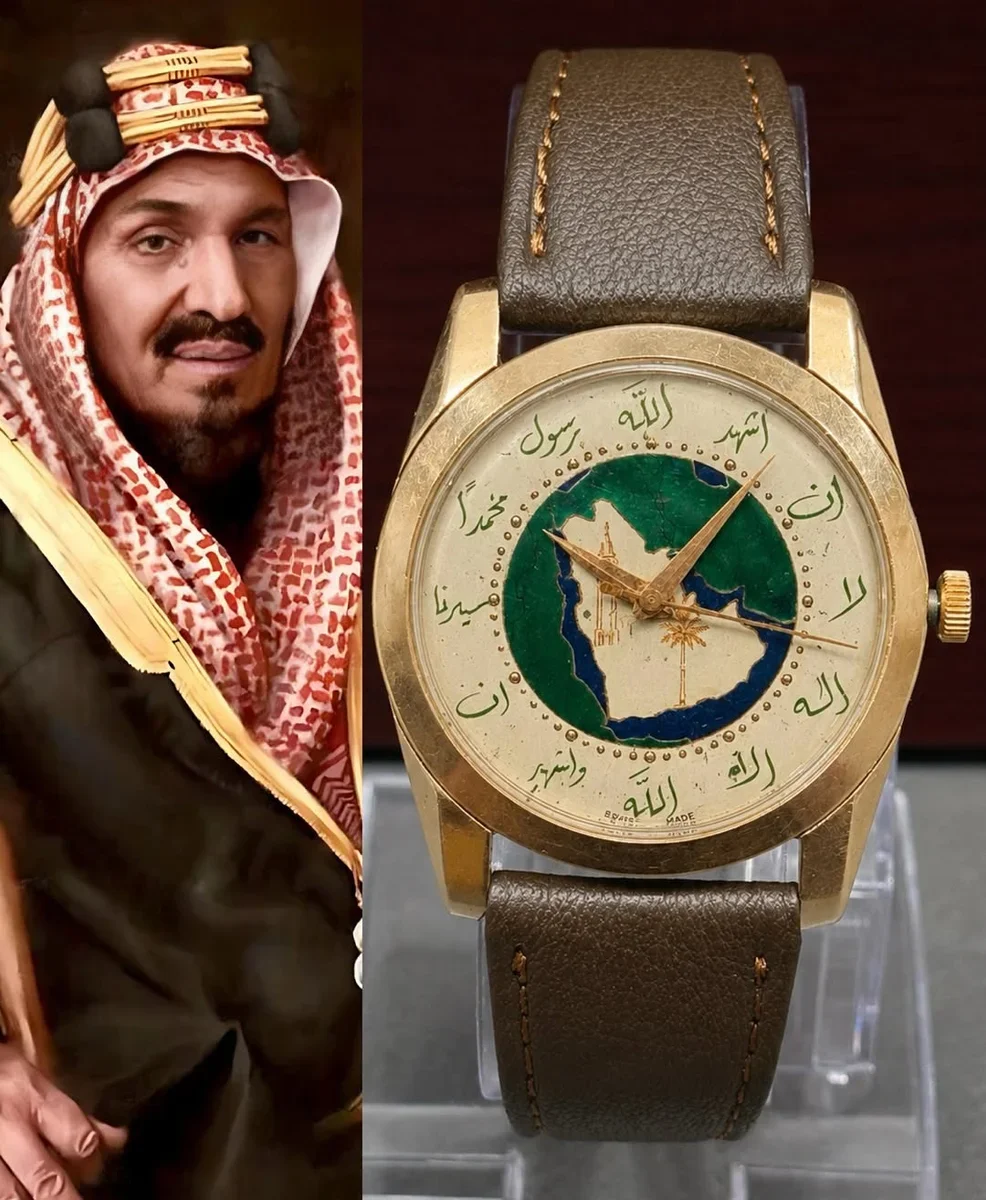
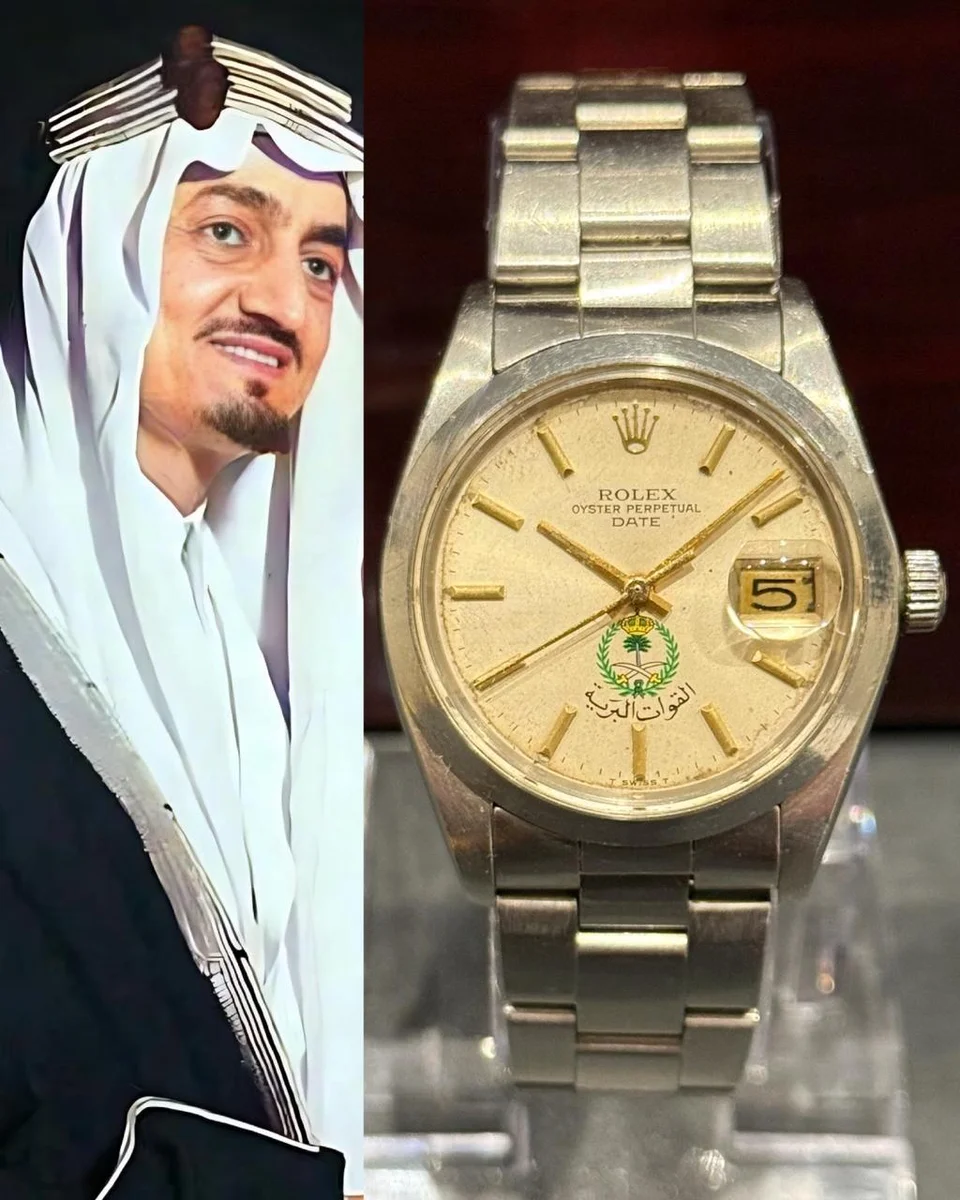
Among the most fascinating and least understood categories in vintage watch collecting are the presentation timepieces of the Iraqi presidency during the 1970s and 1980s. Bearing the portrait or emblem of President Saddam Hussein, these watches were never sold in shops. They were instruments of state — commissioned from the finest Swiss houses, distributed through official channels, and presented to officers, ministers, tribal leaders and foreign allies. This guide explains what they are, which brands made them, how to tell an authentic example from a fake, and why they have become some of the most sought-after historical collectibles in the horological world.
What Are Saddam Hussein Presentation Watches?
A "presentation watch" is a timepiece created not for retail sale but to be given — a diplomatic gift, a military honour, or a token of political loyalty. In Iraq, this tradition reached a remarkable scale during the presidency of Saddam Hussein. The state commissioned Swiss manufacturers to produce dress watches whose dials carried the president's likeness, the Iraqi eagle, or commemorative inscriptions marking specific events.
Because they were distributed privately and in limited numbers, these watches almost never entered the commercial market. Most remained in the families of the officers and officials who received them, surfacing only decades later. You can browse authenticated examples in our dedicated Saddam Hussein watches collection.
The Swiss Houses Behind the Dials
Unlike modern celebrity or brand collaborations, these commissions favoured established, conservative Swiss makers known for classic dress watches rather than flashy sports models. The brands most frequently encountered include:
- Universal Genève — perhaps the most prestigious name associated with Iraqi presidential editions, prized by collectors for its mid-century pedigree.
- Longines — a recurring choice for official dress pieces, including the well-documented "Al Dakeka" editions. See our Longines 1981 presidential edition.
- Favre-Leuba, Nivada, Eterna, Oris, Zodiac, Bolero and Century — each produced dress watches for various levels of official distribution. Our Bolero Qadisiyyah edition (1982) is a fine example of a commemorative piece.
Reading the Dials: Portraits, Emblems and Commemorations
Saddam-era dials fall into a few broad categories, and understanding them is the first step to appreciating a piece:
- Portrait dials — featuring the president's image, often in civilian or military dress.
- Emblem dials — bearing the Iraqi eagle or state coat of arms rather than a portrait.
- Commemorative dials — marking a specific event, most famously the Qadisiyyah campaign or honours for the "Martyrs." These inscriptions turn each watch into a small historical document.
The commemorative pieces are particularly valued because they anchor the watch to a datable moment, strengthening its provenance.
How to Authenticate a Saddam Hussein Watch
As with any high-value historical collectible, reproductions and re-dialled fakes exist. Genuine authentication rests on several pillars:
- Movement and case correctness — the caliber, case construction and hallmarks must be consistent with the maker and the claimed period. A 1980s dial in a much later case is an immediate red flag.
- Dial printing quality — period portraits and inscriptions have a characteristic printing style. Modern re-prints often appear too sharp, too glossy, or misaligned.
- Provenance — documented history of ownership is the single most important factor. A watch that can be traced to the officer or official who received it is worth far more than an identical piece without a paper trail.
- Consistency across the piece — hands, crown, caseback and dial should all belong together and show consistent, honest ageing.
At Golden Age, every piece is verified against period references before it enters the collection, and we never list re-dialled or reproduction watches.
What Determines Value?
Prices for Saddam-era watches vary enormously, driven by four main factors:
- Brand — Universal Genève and full-gold examples command the highest prices; more accessible brands sit lower.
- Dial variant — portrait and commemorative dials generally outrank plain emblem dials.
- Material and condition — solid gold, original dials, and unpolished cases add significant premiums.
- Provenance — above all, a documented chain of ownership can multiply a watch's value.
Beyond Watches: Coins, Badges and Documents
The Iraqi presidency of this era produced a wider material culture that collectors also pursue: commemorative coin sets, military badges, and official documents. Examples in our collection include a 1980 complete Iraqi coin set and an Iraqi Army shoulder badge from 1979. These items complement a watch collection and share the same emphasis on authenticity and documentation.
Why They Rarely Appear on the Market
Three characteristics keep these pieces scarce. They were never mass-produced. They were distributed privately, not sold. And surviving examples in honest, original condition are genuinely uncommon after four decades. When they do surface, it is usually through specialist dealers and private collector networks rather than the open market.
Collecting With Confidence
For the serious collector, Saddam Hussein presentation watches offer a rare combination of Swiss craftsmanship and tangible modern history. The key is to buy authenticated pieces with documented provenance from a reputable source. Explore our curated, verified selection in the Saddam Hussein watches collection, or contact Golden Age directly via WhatsApp for provenance documents, detailed photography, and current availability.
Golden Age is a D.U.N.S registered family business (#297230) with over fifty years of expertise in rare vintage watches, historical medals, and collectibles, based in Irbid, Jordan, with insured worldwide shipping.